
On a crisp Wednesday afternoon, my 15-year-old son, Gregory—a high school sophomore with the quick wit of youth and the shy bravado of adolescence—announced he wanted to go to this year’s homecoming dance.
As a parent, I encouraged him—go, mingle, make memories, I said. Enjoy the fleeting magic of being fifteen.
Yet, what I didn’t see coming was the next day’s spectacle: Gregory, with the help of a school aide, crafted a colorful sign and, in the bustling lunchroom, stood before his peers to ask a girl to homecoming—publicly, boldly, as if he’d done it a hundred times before.
When he recounted the story, I laughed—half in disbelief, half in admiration. My son, it seemed, possessed a courage I certainly didn’t have at his age. But beneath the laughter, another realization settled in.
Gregory is growing up, right before my eyes.
It seems like just yesterday, he was Catboy—leaping through the living room in a blue cape, eyes bright with cartoon heroics. Today, he’s asking girls to homecoming, his world expanding beyond the familiar walls of home.
And just as suddenly, the lessons I need to teach are changing, too.
Our conversations, once dominated by toys, cartoons, and Christmas lists, are shifting: now, we talk about high school, scholarships, college applications, first jobs, money, and the slow, sometimes daunting path to independence.
That dawning awareness led me to a new milestone: this week, I added Gregory as an authorized user on two of my American Express cards—my Hilton Honors American Express Aspire and a Companion Platinum on my Platinum account.
This wasn’t about handing a teenager unlimited access to Dad’s credit cards.
In fact, it was quite the opposite.
It was about creating a new chance to teach him—one that matters far beyond the plastic in his wallet.
By adding him as an authorized user, I can help Gregory begin shaping a credit history. Payment habits, account age, credit limits—all these details, once filed away in distant bureaus, could one day help him rent his first apartment or secure a loan.
But privileges like these come with a catch: good credit survives only when managed with care.
That’s the lesson I want Gregory to internalize, long before he swipes his own card one day.
I want him to know a credit limit isn’t a bank balance. That paying on time matters. That interest is a sly thief, and a credit score can open doors—or quietly close them—from apartments to car loans and beyond.
There are practical perks, too, tucked between the lessons.
His Companion Platinum Card, for example, includes an application-fee credit for Global Entry or TSA PreCheck. American Express currently offers up to a $120 statement credit for Global Entry or up to $85 for a five-year TSA PreCheck membership when the qualifying application fee is charged to the eligible Companion Platinum Card.
For a family that travels, those perks matter. Yet to me, they’re simply more tools for teaching.
I want to show Gregory that credit cards are tools—powerful when used wisely, perilous when used without discipline.
It’s a distinction I wish I’d understood when I was his age.
Growing up, conversations about credit scores, compound interest, or emergency funds weren’t part of family dinners. Maximizing card benefits? Not even on the radar.
That is not a criticism of anyone who raised me. Plenty of families simply did not have those conversations.
As an adult, I’ve learned plenty from experience—and from my own missteps.
Maybe that’s why I feel so strongly about guiding Gregory now, before the stakes get too high.
Financial literacy doesn’t guarantee a mistake-free life—I’m living proof.
But it does mean understanding the consequences before the bills come due.
In the years ahead, I want Gregory to leave high school fluent in the language of money: checking and savings, budgeting and taxes, credit and investing, the value of an emergency fund.
And when he finally gets his own card, I want him to know: the goal isn’t to see how much a bank will let him spend.
The goal is to build a reputation that gives him options—and freedom.
There’s another lesson here, too: credit isn’t the same as wealth, no matter what the numbers on a card might suggest.
A shiny card might promise $10,000 or $20,000 in spending power. That doesn’t mean you have it—or should use it.
Real financial security comes from what you save, what you own, how you manage debt—and whether you can weather life’s storms without capsizing.
I’m still learning these lessons myself, even as I teach them.
Maybe that’s the paradox of parenting: we teach as we learn.
You don’t have to master every lesson before teaching it. Sometimes, you teach because you remember how hard it was to learn.
Sometimes you teach them because you know exactly what it feels like to learn the lesson the hard way.
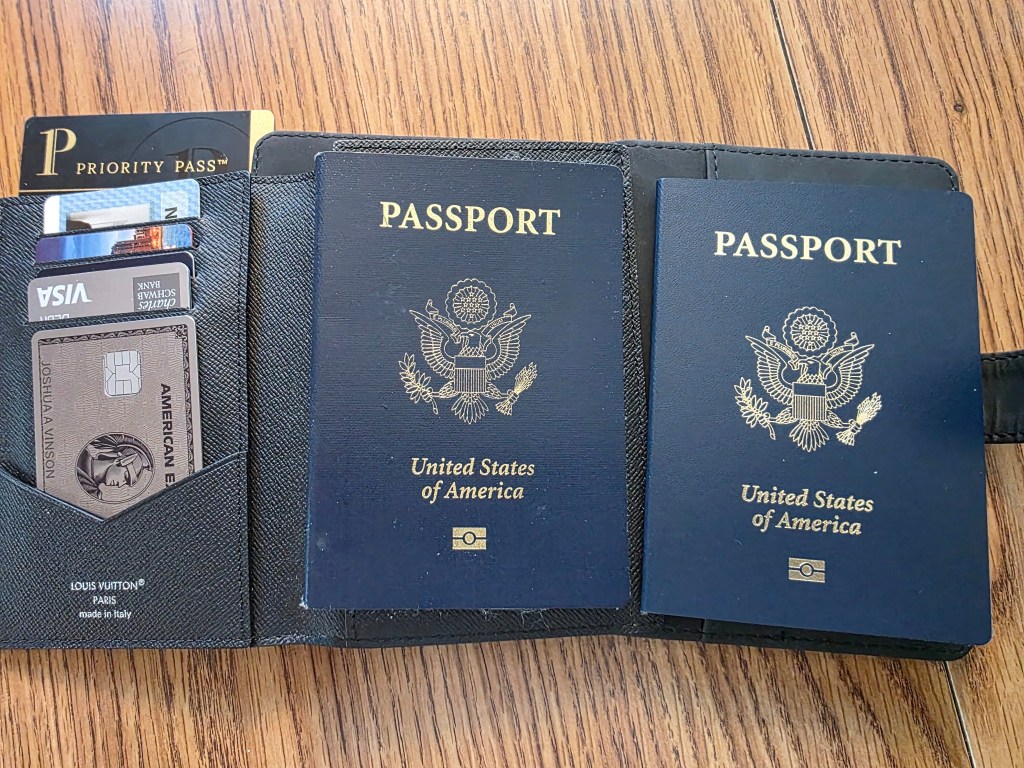
So yes, Gregory now has two cards with his name embossed in silver letters—small rectangles of metal, heavy with possibility.
But the cards themselves? They’re not the real gift.
The real gift, I hope, is the guidance I can offer in these precious years before adulthood comes knocking.
Because the little boy who once wore a superhero mask is becoming a young man faster than I ever imagined.
Homecoming is just around the corner.
College won’t be far behind.
And after that—adulthood.
My job now isn’t just to watch him grow up from the sidelines.
It’s to make sure that when the time comes, he steps forward with more knowledge, more confidence, and a sturdier financial foundation than I ever had at fifteen.







Leave a Reply