
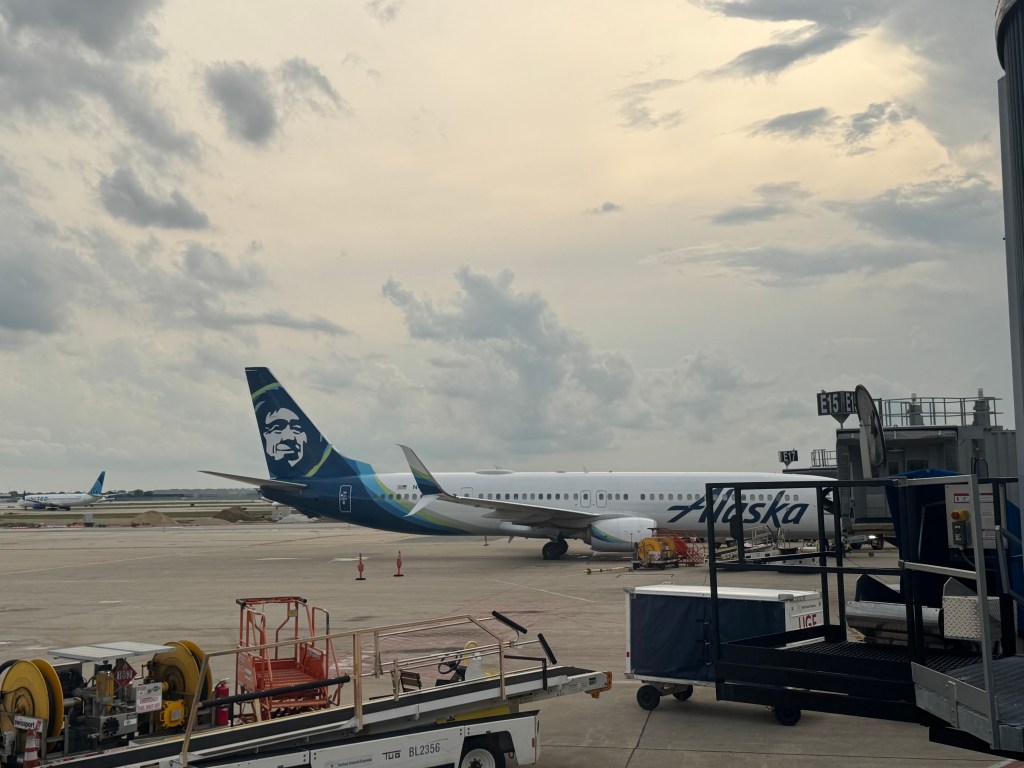
I woke up excited on Saturday morning, ready to fly to Seattle and watch the Mariners take on the Los Angeles Dodgers. The team was red-hot, having just tied their home win streak record at T-Mobile Park. My flight plan was simple: leave Chicago at 12:10 p.m. and arrive in the Pacific Northwest around 2:30 p.m.
I sat across from my gate at E17, eating a plain bagel with cream cheese and sipping ice water from Starbucks, already picturing the atmosphere of a packed ballpark. But what began as an ordinary trip quickly turned into a reminder about the unpredictable nature of travel—and the importance of being prepared.
About an hour into the flight, the passenger next to me showed me his Alaska Airlines app. It indicated our plane was diverting to Minneapolis. At first, I wasn’t nervous. A few months earlier, a United flight I was on diverted to Edmonton to refuel, so I figured this was something routine. Everyone around me seemed calm but confused.
Then the flight attendant made a brief announcement: some crew members weren’t feeling well, possibly because of fumes from the engine. As we began our descent, the plane made loud screeching sounds—enough for those of us in the exit row to glance at each other and mutter, “Yeah, something’s not right with this plane.”
Once we landed, paramedics boarded immediately and two flight attendants walked off. Passengers traded theories about what was happening, preparing for a long delay. For me, the decision was simple: I wasn’t going to continue to Seattle on that aircraft. Safety aside, I’d already missed my chance to make the baseball game, and home felt closer than continuing on.
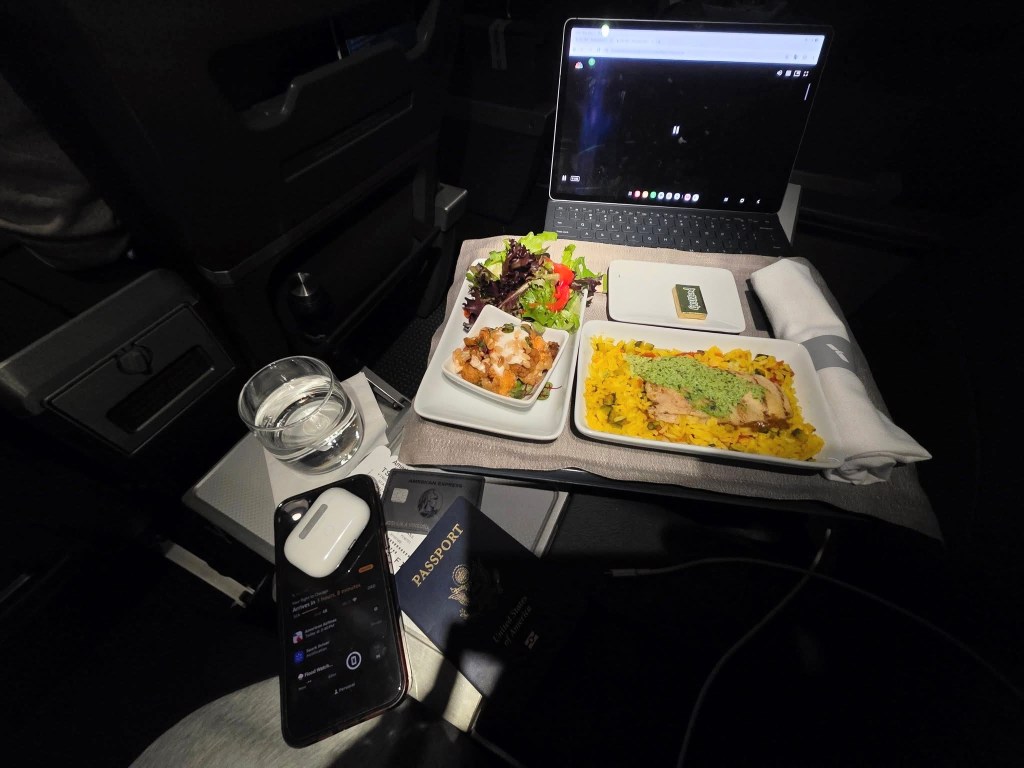
Here’s where Alaska Airlines impressed me. Using the chat feature on their website, I explained the situation and asked to be rebooked back to Chicago. Within minutes, they had me confirmed on a 5:45 p.m. American Airlines flight—the benefit of Alaska being part of the Oneworld Alliance. Other passengers were also rerouted, and everything was handled professionally.
By the time I got home, I wasn’t upset at all. I even managed to resell my game tickets on StubHub. More than anything, I walked away with a handful of travel lessons that might help other flyers:
1. Book directly with airlines and hotels. Third-party bookings may save you a few dollars upfront, but in an emergency, dealing directly with the airline or hotel makes rerouting or canceling much easier.
2. Fly airlines with strong partnerships. Alaska doesn’t operate a huge number of flights out of Minneapolis, but because of its Oneworld partnership, I was quickly rebooked on American. Alliances can be a lifesaver when schedules fall apart.
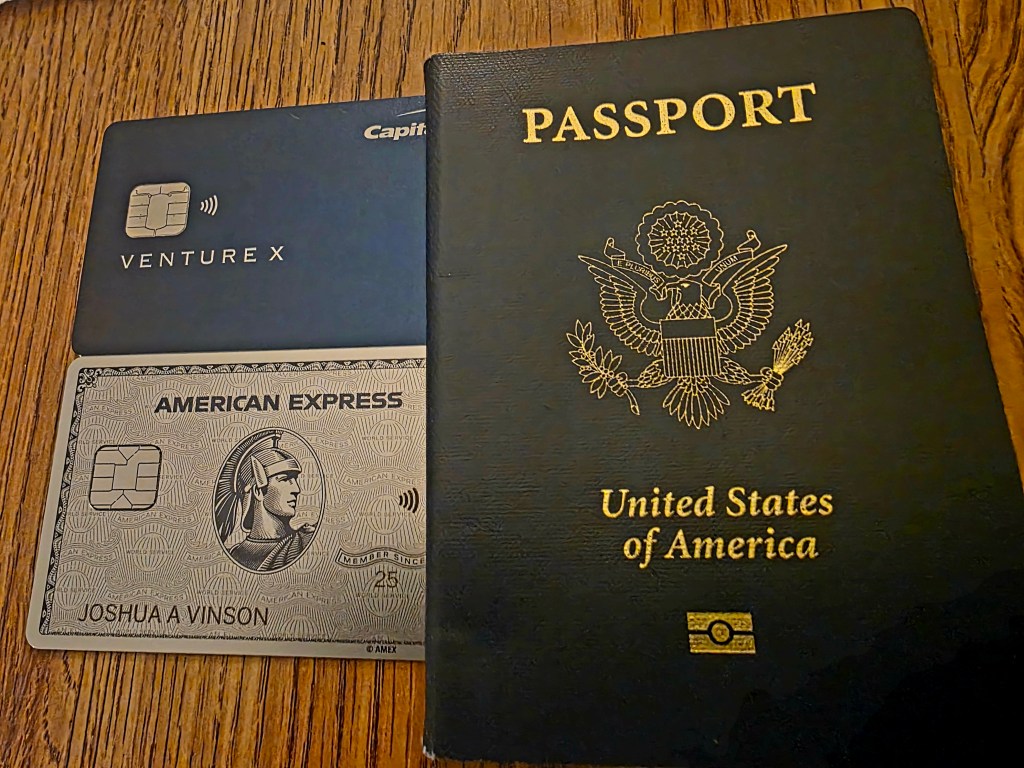
3. Always have backup funds. Whether it’s cash or credit, carry enough to cover meals, hotel rooms, or unexpected one-way tickets. Peace of mind is worth it.
4. Expect the unexpected. This was my second diversion this year. Things happen—diversions, delays, cancellations—and how you prepare for them matters more than the disruption itself.
In the end, I didn’t see the Mariners play the Dodgers. But Seattle isn’t going anywhere, and baseball will still be there next season. What mattered most was arriving home safe, hugging my son a little tighter, and remembering that life itself is precious.
Travel teaches us that sometimes the journey is less about where you’re headed and more about how you handle the detours along the way.



 Let's Take a Day Trip
Leave a comment