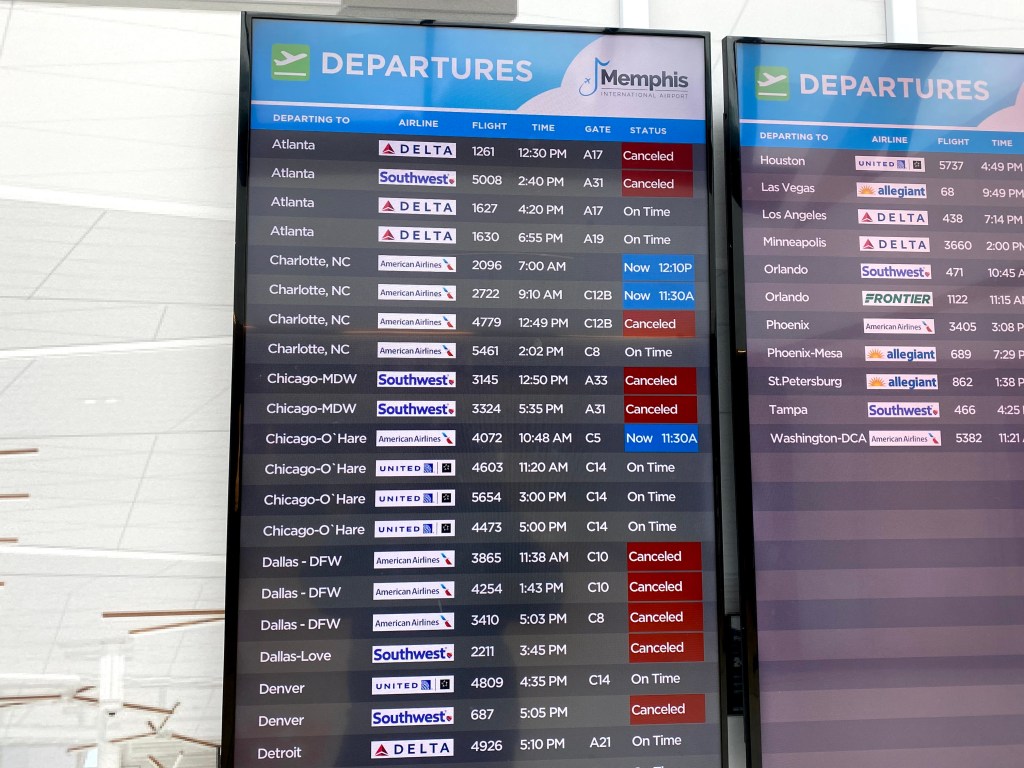
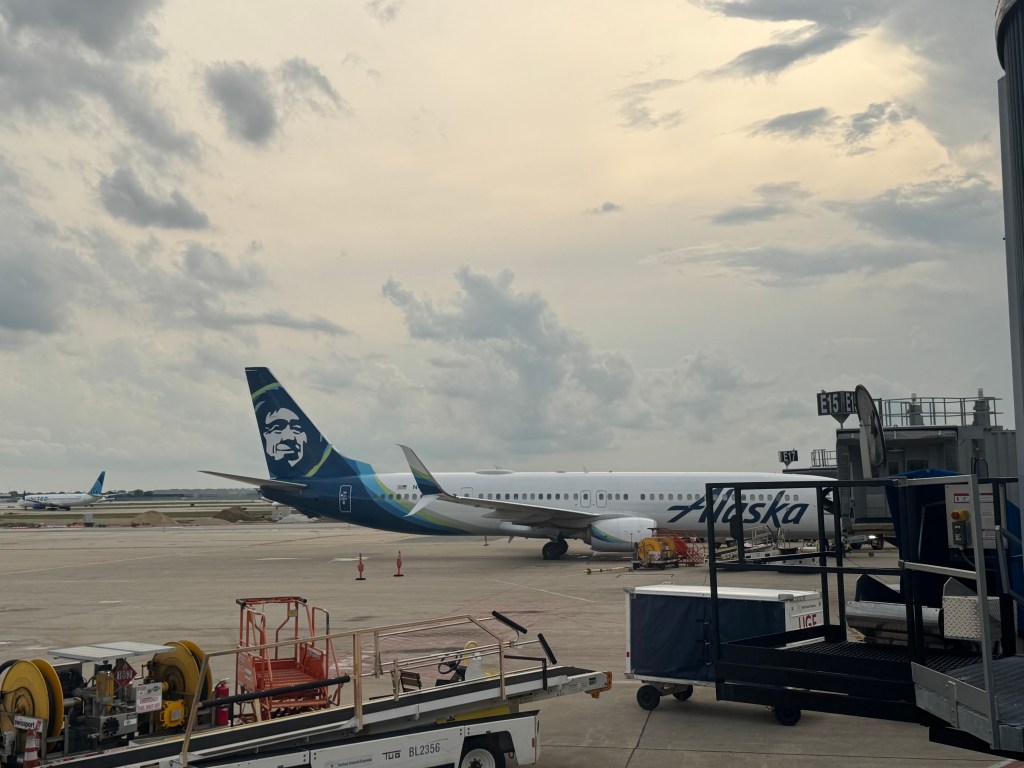
CHICAGO — Picture yourself waking up at 3 a.m. to load up your rental car for a 6 a.m. flight back to Chicago from Atlanta. You’re feeling upbeat after a great weekend and are looking forward to heading home and relaxing. As you head to the terminal on the tram, your phone buzzes with a notification. You wonder who could be texting at this early hour, only to discover it’s an email stating that your flight has been canceled. We’ve all experienced similar situations. But how should one handle this?
Fortunately, when this occurred to me a few months ago, I was rebooked through Charlotte and arrived in Chicago a few hours later than originally planned. In some cases, delays and cancellations can have a significant impact, leaving travelers stranded for days. In today’s discussion, we’ll delve into topics such as how to adequately prepare for travel, the importance of trip insurance, airline obligations, and passengers’ rights.
Make Sure You’re Prepared Financially When Traveling
I can still vividly recall my late grandma’s words, “Don’t go nowhere broke,” as she pressed a $20 bill into my hand. In my late teens and early 20s, I failed to fully comprehend the significance of her message. However, today, I cannot stress enough the importance of being financially prepared for unexpected circumstances, particularly when traveling.
One piece of advice I wholeheartedly advocate for is ensuring you have a credit card with a sufficient credit limit to navigate through unforeseen situations. While this may seem like common sense, it’s crucial to remember that in times of trouble, you may be your only source of support.
For instance, imagine you’re on a flight, and your journey is disrupted due to adverse weather conditions. Generally, it’s not the airline’s obligation to arrange for your accommodation. If sleeping in the airport is not an option for you, having a contingency plan in place is crucial.
In my personal experience, I’ve found it beneficial to have at least one credit card with a credit limit of up to $2,000 to handle such situations. Nevertheless, I understand that this may not be feasible for everyone. Therefore, I advise you to financially prepare for worst-case scenarios as you finalize your travel plans.
For example, if my flight had been canceled for more than a day in Atlanta, I would have been well-supported due to the presence of my aunt in the city. However, had the cancellation occurred in a city where I have no family, such as Las Vegas, I would have needed financial resources to make alternate arrangements. Preparing for such situations can make a significant difference in ensuring a smoother travel experience.
Understanding Trip Insurance and if You Really Need It
Trip insurance encompasses a variety of circumstances, such as canceled flights, lost luggage, and medical emergencies.
NerdWallet offers an insightful article on this topic. In summary, trip insurance reimburses nonrefundable reservations and covers medical expenses while traveling. If your trip is refundable, then insurance may not be necessary, as interruptions and flight coverage are often included.
NerdWallet also offers a valid point that if you already have private insurance, particularly for medical emergencies, additional travel insurance may not be required, especially when traveling domestically.
For example, if you have BlueCross BlueShield insurance through your job and fall ill while traveling out of state, you can seek care from in-network providers, pay a copay, and receive treatment.
In alignment with NerdWallet’s perspective, I suggest that unless you are purchasing trip insurance for costly, nonrefundable travel arrangements and require coverage in case of cancellation, additional trip insurance may not be essential. I believe it’s prudent to primarily consider travel insurance for international travel.
Explaining the Airlines’ Role in Cancel/Delayed Flights and Passengers’ Rights
Earlier this year, U.S. Transportation Secretary Pete Buttigieg introduced new regulations governing how airlines should handle “significant” delays and cancellations experienced by passengers.
To summarize, under the new guidelines, airlines must reimburse customers with the full ticket price in case of substantial flight disruptions or delays. These regulations distinctly specify that a “delay” is regarded as three hours for domestic flights and six hours for international flights, thus eliminating the prior ambiguity that was subject to airlines’ discretion.
It is important to note that airlines do not have a specific date by which they must adhere to these regulations.
Airlines are expected to collaborate with passengers to rebook their flights, and most will provide a refund if a flight is canceled and the passenger chooses not to take an alternative flight. The days of receiving $500 vouchers for flight delays are now behind us.
According to experts, it is crucial to keep all receipts and submit a formal request to the airline when they are responsible for a significant flight delay or cancellation.
That is why I’m urging you to always travel prepared for the unexpected.
Some Travel Credit Cards Offer Travel Insurance and Protections
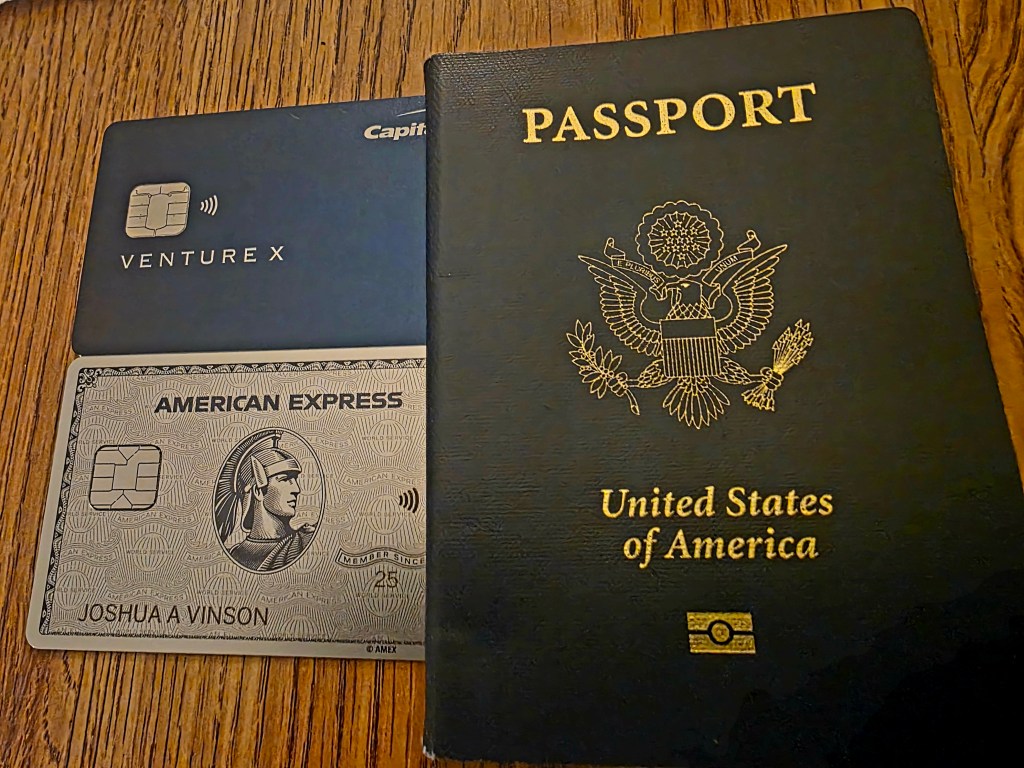
Please ensure you are aware of the insurance and protections provided by your credit card for your travels. For instance, my AMEX card acts as a backup insurance when renting a car, enabling me to decline additional coverage at the counter since both Geico and my AMEX offer sufficient coverage.
Credit cards typically offer a range of insurances and protections, including coverage for trip cancellation or interruption and lost, delayed, or stolen luggage. Since each card differs, it is essential to carefully review your credit card agreement to understand your coverage and the claims process fully. There is an insightful article on this topic on CNBC.
According to the article, while airlines may offer refunds for trip cancellations, this may not cover prepaid expenses such as hotel stays or theater tickets. CNBC states that in such situations, “many credit card companies provide reimbursement for cancellations, lost luggage, expenses for food and lodging due to delays, rental car insurance, and other travel-related coverage.”
So ask your credit card company before you book; if you’re traveling to Las Vegas to see the Chris Brown concert, but your flight is canceled because they can’t find the crew – will you be refunded for the tickets you purchased and your hotel accommodations?
Remembering you must use said credit card for those purchases to be protected is key.



 Let's Take a Day Trip
Leave a comment